
Walking fatigue is the feeling that walking becomes progressively harder, slower or less comfortable as distance or time increases. It may involve tired legs, breathlessness, reduced pace, a greater need for rest or a sense that each step requires more effort than expected.
Walking fatigue is not a diagnosis. It can occur after an unusually long day, poor sleep, heat exposure or reduced activity. It can also be linked to low fitness, muscle weakness, pain, medication effects or an underlying medical condition. Persistent, worsening or unexplained fatigue should therefore be assessed rather than assumed to be a normal part of ageing.
For people who can already walk independently, the most effective approach is usually a combination of gradual activity, strength and balance work, sensible pacing, appropriate footwear, adequate recovery and professional advice when symptoms are unusual. Wearable movement-support technology may be another option for selected users, but its effect depends on the device, fit, control strategy and individual response.
| Topic | Evidence-backed answer |
| Definition | Progressive tiredness, effort or discomfort during walking |
| Is it normal? | Expected after exertion, but persistent or unexplained fatigue needs assessment |
| Main contributors | Fitness, strength, pain, balance, heat, sleep, medication and health conditions |
| Best first step | Start below your maximum and progress one variable at a time |
| Activity target | Build gradually towards 150–300 minutes of moderate activity weekly, as appropriate |
| Strength and balance | Strength, balance and flexibility at least 3 days weekly for adults 50+ |
| Walking exoskeletons | May reduce effort for some users; results vary by device and person |
The word “fatigue” is used in several different ways. Keeping the meanings separate helps people decide what action is appropriate.
Normal exertion is the tiredness expected after physical activity. It generally improves with rest and recovery.
Walking fatigability describes how quickly tiredness or effort increases during a defined walking task. Researchers may measure it using walking distance, oxygen consumption, perceived exertion or changes in speed.
Persistent fatigue is a broader lack of energy that may affect everyday activities even when the person is not walking. MedlinePlus notes that fatigue can be a normal response to activity or lack of sleep, but it can also be a symptom of a physical or mental health condition. Fatigue that continues for weeks or is not relieved by adequate sleep, nutrition and recovery should be discussed with a healthcare professional.
This article focuses mainly on walking fatigability: the situation in which a person can walk, but longer distances or extended periods become increasingly demanding.
Walking requires the coordinated work of the cardiovascular system, lungs, nervous system, joints and muscles. Fatigue can develop when one or more parts of this system have to work harder than usual.
When activity levels fall, the heart, circulation and muscles become less efficient at supporting sustained movement. The same route may then require a greater percentage of the person’s available capacity.
Research in older adults has linked slower walking with lower aerobic capacity and greater fatigability. In one pilot study of adults aged 70 to 89, slower walkers had lower peak oxygen uptake than faster walkers and experienced walking as a more demanding task relative to their available capacity.
Walking depends on the hips, thighs, calves and trunk. Reduced strength can make standing, accelerating, climbing stairs and controlling each step more demanding. Strength loss may be influenced by inactivity, ageing, illness, pain or insufficient recovery.
Older adults often use more energy to walk at a given speed than younger adults. Changes in gait, balance control, joint movement and muscle coordination can all contribute. This does not mean that every older adult will become fatigued quickly, but it helps explain why the same distance can feel different over time.
Pain in the knees, hips, feet or back may cause a person to shorten steps, tense muscles or change posture. These compensations can increase effort. Pain can also lead to less activity, which may further reduce endurance.
A person who feels unstable may walk more cautiously, take shorter steps and use more muscular effort to control movement. Fear of falling can therefore affect both walking speed and energy use.
Singapore’s climate can make walking more demanding. The body must direct blood flow towards the skin and produce sweat to control temperature. Long outdoor walks may therefore feel harder in hot or humid conditions, particularly without adequate hydration, shade or rest.
Poor sleep, inadequate food intake, dehydration and some medicines can contribute to tiredness. Fatigue is a symptom rather than a single condition, so persistent problems should not be treated only with exercise advice.
Anaemia, heart or lung conditions, infections, thyroid disorders, depression, chronic pain and many other conditions may cause fatigue. A walking-support device cannot identify or treat these causes.
| Contributor | Possible pattern | Appropriate response |
| Reduced fitness | Tired after relatively short activity; may improve with training | Progressive walking and strength work |
| Muscle weakness | Difficulty rising, climbing stairs or managing slopes | Strength assessment and progressive training |
| Pain or stiffness | Shortened steps, guarding or altered posture | Address the source; consider medical or physiotherapy review |
| Balance concern | Cautious gait, shorter steps or fear of falling | Balance assessment, training or an appropriate aid |
| Heat and humidity | Symptoms worsen outdoors with sweating and reduced pace | Use cooler timing, shade, rest and hydration |
| Poor sleep or recovery | General tiredness or unusually slow recovery | Improve sleep and recovery; assess if persistent |
| Medication or nutrition | Change after a new medicine, low intake or persistent low energy | Review with a clinician; do not stop medication alone |
| Medical condition | Unusual breathlessness, chest symptoms or unexplained weakness | Medical assessment |
There is no universal distance or pace that everyone should reach. The goal is to improve capacity without repeatedly pushing into excessive fatigue or unsafe symptoms.
A common mistake is to walk until exhaustion and then require several days to recover. A more sustainable approach is to stop while you still feel that you could continue.
For someone returning to activity, this might mean five to ten minutes of light walking at a time. HealthHub advises sedentary older adults to start slowly and build duration and frequency gradually after obtaining medical clearance where appropriate.
Intervals divide a longer walk into manageable blocks. For example:
• Walk comfortably for five minutes.
• Rest or slow down for one to two minutes.
• Repeat the cycle two or three times.
As the same session becomes easier, the walking intervals can be extended or the recovery periods shortened. The increase should be gradual rather than abrupt.
Walking faster is not always the best way to build endurance. A sustainable pace is one at which breathing is increased but controlled and the person can still speak in short sentences.
Pace should be adjusted for slopes, crowds, heat, uneven ground and how the person feels that day. A slower pace that can be maintained may cover more total distance than repeatedly starting too fast and stopping.
Walking alone may not fully address weakness in the hips, thighs, calves and trunk. HealthHub recommends that adults aged 50 and above include strength, balance and flexibility activities at least three days per week. Examples include sit-to-stand practice, standing hip extension, side leg raises, controlled calf raises and balance exercises.
Strength work should be matched to the person’s current ability and health. Pain, recent injury, severe weakness or uncertainty about technique may require guidance from a physiotherapist or qualified exercise professional.
A gradual warm-up increases body temperature, heart rate and blood flow to working muscles. HealthHub’s Healthy Ageing Hub includes slow marching and arm movement as a simple warm-up for active older adults.
The purpose is not to tire the body before the walk. It is to move from rest into activity progressively.
Route design can make a large difference to total effort. Consider:
• benches or sheltered rest points;
• toilets and water access;
• slopes, stairs and uneven surfaces;
• distance from public transport;
• indoor alternatives during hot or wet weather; and
• whether the return journey is longer than the outward route.
For a shopping trip, museum visit or airport journey, the total walking distance includes transfers, queues, corridors and detours—not only the main activity.
Shoes should fit securely, provide adequate space for the toes and suit the walking surface. Foot pain, slipping inside the shoe or an unstable sole can increase muscular effort and alter gait.
Persistent foot pain, numbness, wounds or major changes in walking pattern should be assessed, particularly for people with diabetes or circulation problems.
In Singapore, walks may be more manageable in the early morning, evening or air-conditioned environments. Carry water when appropriate, use shade and avoid treating heat-related exhaustion as a fitness challenge.
Training adaptations occur during recovery. Sleep, nutrition and rest days matter. If each walk produces severe fatigue that lasts into the following day, the progression may be too aggressive or another issue may need investigation.
Step totals can be useful, but they do not capture terrain, speed, heat, symptoms or recovery. More useful questions include:
• How long could I walk before needing a rest?
• Did I maintain a steady pace?
• Was the route easier than last month?
• Did symptoms settle normally after stopping?
• Could I complete the rest of my day without excessive fatigue?
| Week | Walking session | Strength and balance | Progress rule |
| Week 1 | 5–10 minutes, 3–5 days; optional intervals | 2 short sessions | Finish with reserve; no severe next-day fatigue |
| Week 2 | Add 1–2 minutes to selected sessions | 2–3 sessions | Increase one variable only |
| Week 3 | Extend continuous walking or shorten recovery | 3 sessions | Keep symptoms stable |
| Week 4 | One longer real-world walk plus shorter sessions | 3 sessions | Review pace, route and recovery |
This framework is an example, not a medical prescription. The starting duration should be reduced for anyone who becomes symptomatic sooner, and increased only when the current level feels manageable.
Walking fatigue should not automatically be attributed to age or low fitness.
Arrange a medical assessment when fatigue:
• has continued for several weeks;
• is worsening without a clear reason;
• interferes with normal daily activities;
• occurs with unexplained weakness, fever, weight loss or night sweats;
• is accompanied by unusual breathlessness;
• begins after a new medicine or dose change; or
• is very different from your previous exercise response.
Stop activity and seek prompt help if walking produces chest pain, marked dizziness, confusion, severe shortness of breath, an irregular heartbeat, sudden weakness, fainting or another symptom that feels unsafe. HealthHub advises people not to exercise or increase activity when they have chest pain, dizziness, unusual breathlessness or extreme fatigue.
Do not stop or change prescribed medication without professional advice.
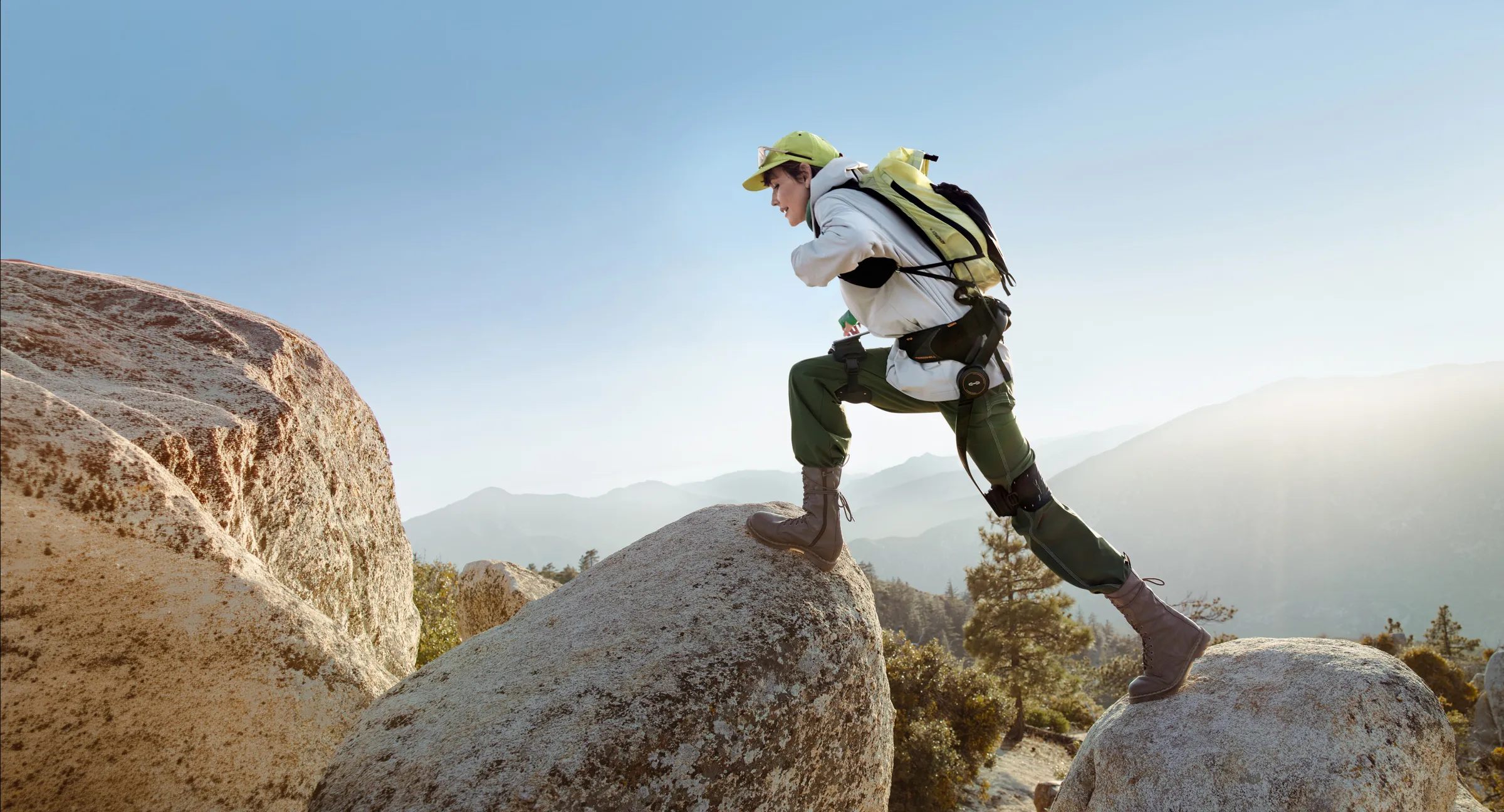
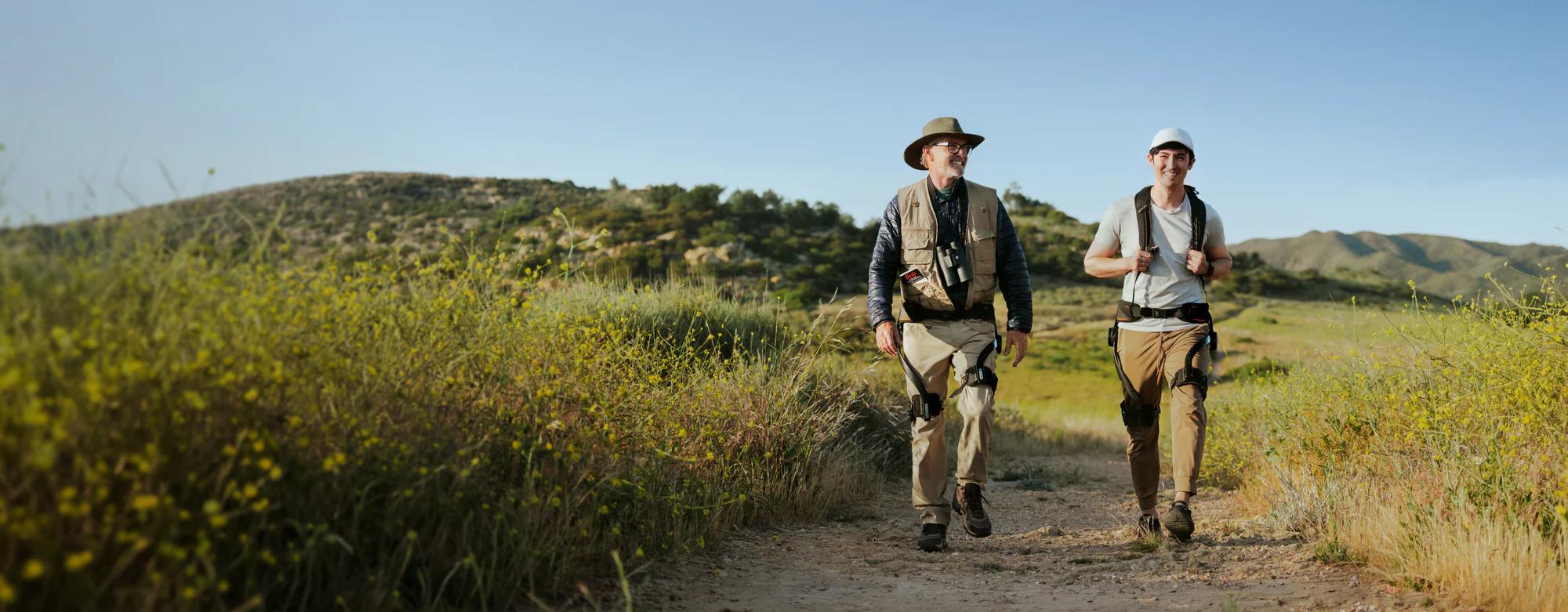
A walking exoskeleton provides mechanical assistance during selected phases of gait. Powered systems use motors and sensors, while passive systems use springs or other mechanical elements.
The scientific principle is that external assistance can reduce part of the biological work required from the wearer. However, research results vary considerably.
A 2019 study tested a passive hip-flexion device in nine adults with an average age of about 62. Walking with the device reduced net metabolic power by an average of 3.3% compared with walking without it under the study conditions.
A 2023 study tested optimised ankle-exoskeleton assistance in ten healthy adults over 65. Compared with wearing the exoskeleton with zero assistance, the optimised condition increased self-selected walking speed by 8% and reduced metabolic rate by 19%. Participants required substantial familiarisation and optimisation time.
A 2025 study of 23 senior adults using a passive hip device found no significant improvement in walking parameters or metabolic power. This null finding is important because it shows that wearing an exoskeleton does not automatically make walking more efficient.
Other studies have reported metabolic reductions in specific devices and tasks, including level walking, slopes and stair ascent. Results depend on joint selection, device mass, torque timing, assistance magnitude, training and the comparison condition.
Research supports the possibility that a well-designed and well-tuned exoskeleton can reduce walking effort for some users. It does not show that every device will reduce fatigue, that laboratory percentages will transfer directly to daily life, or that one person’s response predicts another’s.
The most relevant test for a consumer is therefore not the largest published percentage. It is whether the specific device:
• fits correctly;
• responds in time with the wearer’s gait;
• feels natural at the intended walking speed;
• assists the activities the person actually wants to perform;
• does not create pressure, instability or excessive device weight; and
• remains beneficial after familiarisation.
Consumer movement-support technology may be relevant for adults who:
• can stand and walk independently;
• mainly become tired during longer or more demanding outings;
• want support for travel, exhibitions, parks, airports, shopping or slopes;
• do not primarily require a device for balance or body-weight support; and
• are willing to complete a supervised fitting and trial.
A consumer exoskeleton may not be appropriate for someone who cannot walk independently, has significant balance instability, requires rehabilitation for a medical condition or needs substantial body-weight support.
A cane, walker, clinical rehabilitation device or professional treatment may be more appropriate depending on the person’s needs.
Move It Well distributes the Eulon 1.0 Pro in Singapore as movement-support technology for adults who already walk independently.
Manufacturer-supplied information states that the device:
• provides powered assistance at the hips;
• weighs approximately 2.2 kg;
• offers six support levels;
• has a stated response time of 30 milliseconds;
• has a battery duration of up to four hours; and
• is foldable for transport and storage.
These specifications describe the product’s design. They do not prove that every wearer will walk a particular distance, reduce fatigue by a fixed percentage or experience a medical benefit.
For walking-fatigue search intent, the most important Eulon-specific question is whether the device reduces perceived effort during the user’s own relevant activity. That requires a supervised trial rather than a conclusion based only on specifications.
Walking fatigue is the progressive increase in tiredness, effort or discomfort during walking. It may involve tired legs, slower pace, breathlessness or a need for more frequent rests.
Possible contributors include reduced fitness, muscle weakness, pain, altered gait, poor sleep, dehydration, medication effects and medical conditions. Persistent or unexplained symptoms should be assessed.
Walking may become more energetically demanding with age, but severe or worsening fatigue should not automatically be accepted as normal. Fitness, strength, health conditions and daily activity all influence endurance.
Start below your maximum, use short walking intervals, progress gradually, include strength and balance work, plan routes with rest points and allow adequate recovery.
Frequency depends on your current ability and recovery. Some people tolerate short daily walks, while others need rest days between longer sessions. Persistent next-day exhaustion suggests the programme may need adjustment.
For endurance, a sustainable pace is usually more useful than repeatedly walking too fast and stopping. Speed can be increased gradually after duration becomes comfortable.
Yes. Walking depends on the hips, thighs, calves and trunk. Strength and balance exercises can support functional mobility, although the programme should suit the individual’s health and ability.
Seek advice when fatigue continues for weeks, worsens, interferes with daily life or occurs with symptoms such as unexplained weakness, weight loss, fever, unusual breathlessness, dizziness or chest pain.
Some studies have found that specific exoskeletons reduce metabolic cost, while other studies have found no significant benefit. Results depend on device design, assistance settings, task and wearer.
Not necessarily. Consumer walking exoskeletons generally assist movement but may not provide the stability of a cane or walker. Balance concerns should be professionally assessed.
Some models provide assistance for stairs or slopes, but capability differs by product. Users should follow manufacturer instructions and practise under supervision.
No. Its design provides powered hip assistance, but actual outcomes vary. Fit, settings, terrain, walking speed, familiarisation and the user’s condition all affect the experience.
1. MedlinePlus. Fatigue. U.S. National Library of Medicine.
2. World Health Organization. WHO Guidelines on Physical Activity and Sedentary Behaviour: At a Glance. 2021.
3. HealthHub Singapore. Healthy Ageing Hub: 7 Easy Exercises to an Active Lifestyle.
4. HealthHub Singapore. Exercise for the Elderly: Never Too Late to Start.
5. HealthHub Singapore. Heart Failure — Regular Exercise and Physical Activity.
6. Schrack JA, et al. Walking energetics, fatigability, and fatigue in older adults: the Study of Energy and Aging Pilot. Journals of Gerontology Series A. 2014.
7. Panizzolo FA, et al. Reducing the energy cost of walking in older adults using a passive hip flexion device. Journal of NeuroEngineering and Rehabilitation. 2019.
8. Slade P, et al. Optimizing exoskeleton assistance to improve walking speed and energy economy for older adults. Journal of NeuroEngineering and Rehabilitation. 2023.
9. Sæther R, et al. Walking with a Passive Hip Exoskeleton and Wearables: Gait Characteristics and Metabolic Power in Senior Adults. Sensors. 2025.
10. Move It Well. Eulon 1.0 Pro specifications and Singapore product information. First-party information.
Questions, collaborations, or just a chat about travel? Reach out anytime — I’m always ready for the next adventure.